Table of Contents
Quick Summary for Property Buyers (2026)
Key Takeaways
- 3 BHK homes lead buyer preference
Demand in Hyderabad increased from 56% (Aug 2023) to 64% (Aug 2024), marking a 14% growth and making 3 BHK the most sought-after configuration. - Lifestyle and demographic shifts are driving demand
Growth is fueled by nuclear families, work-from-home needs, upgrades from 2 BHK homes, and multigenerational living requirements. - Stronger investment fundamentals
3 BHK apartments deliver higher rental yields (4–5%) compared to 2 BHK units (3–3.5%), enhancing long-term investment appeal. - Supply aligns with demand
In Hyderabad’s 2026 market, 64% of new residential launches are 3 BHK configurations. - Clear price segmentation
- Emerging corridors: ₹1–1.8 crore
- Established areas: ₹1.5–3 crore
- Emerging corridors: ₹1–1.8 crore
- Decade-defining residential format
3 BHK apartments offer the best balance of space, affordability, resale liquidity, and future relevance, positioning them as the dominant housing choice of the decade.
Looking for a Home That Reflects Your Lifestyle?
Discover thoughtfully designed homes by Kura Homes — where timeless architecture, modern comfort, and sustainable living come together.
What Defines the 3 BHK Configuration?
A 3 BHK (3 Bedroom, Hall, Kitchen) apartment typically comprises three separate bedrooms, a living/dining hall, kitchen, and 2-3 bathrooms. Standard carpet areas range from 1,400 to 2,200 square feet, with premium luxury variants extending to 2,500-3,000 square feet.
Typical Layout Distribution:
- Master bedroom with attached bathroom: 250-350 sq ft
- Second bedroom: 150-200 sq ft
- Third bedroom: 120-180 sq ft
- Living and dining hall: 300-450 sq ft
- Kitchen: 100-150 sq ft
- Bathrooms: 40-60 sq ft each
- Balconies: 80-150 sq ft combined
- Utility areas: 40-80 sq ft
This configuration offers fundamental flexibility, serving as two bedrooms plus home office, three children’s bedrooms, or master suite plus guest rooms plus study, adapting across family life stages without necessitating relocation.
Data Behind Rising 3 BHK Demand
| Market Indicator | 2 BHK | 3 BHK | 4 BHK+ |
| Share of New Launches (Aug 2024) | 20% (↓ from 25% YoY) | 64% (↑ from 56% YoY) | 10% (stable) |
| Buyer Preference (Primary Market) | 25-30% | 60-65% | 8-12% |
| Average Appreciation (Hyderabad, 5 years) | 55-65% | 70-85% | 60-75% |
| Rental Yield | 3-3.5% | 4-5% | 3.5-4% |
| Days to Sell (Liquidity) | 90-120 days | 60-90 days | 120-180 days |
| Price Range (Hyderabad, Emerging) | ₹50-80 lakh | ₹90 lakh-1.3 crore | ₹1.5-2.5 crore |
| Price Range (Hyderabad, Established) | ₹80 lakh-1.2 crore | ₹1.5-2.5 crore | ₹2.5-5 crore |
These statistics reveal a clear market preference hierarchy: 3 BHK configurations have become the residential sweet spot, capturing 64% of new supply and 60-65% of buyer demand while delivering superior appreciation and rental performance.
Demographic Drivers: Why Families Choose 3 BHK
1. Nuclear Family Evolution (Dominant Factor)
India’s nuclear family structure, parents with 1-3 children, has become predominant in urban centers. The 3 BHK configuration perfectly accommodates this demographic: parents occupy the master bedroom, children get individual or shared bedrooms depending on age and gender, and the third bedroom functions flexibly as guest room, home office, or future expansion space.
Statistical Reality: Average urban Indian family size has declined to 3.9 members (down from 5.3 in 2001), making 3 BHK the optimal fit versus oversized 4 BHK or cramped 2 BHK alternatives.
Privacy Needs: Children entering teenage years require separate bedrooms for study, sleep schedules, and personal space. The 2 BHK constraint of siblings sharing rooms creates friction; 3 BHK resolves this naturally.
2. Work-From-Home Revolution (Post-2020 Catalyst)
The pandemic-accelerated work-from-home trend fundamentally altered housing requirements. Professionals conducting 6-8 hours of daily video calls, client meetings, and focused work need dedicated home offices separated from household activity.
3 BHK Solution: The third bedroom converts to permanent home office with door closure, professional backgrounds for video calls, and storage for work materials. This prevents dining table occupation, bedroom corner cramming, or kitchen-table makeshift arrangements that 2 BHK configurations necessitate.
Dual-Income Households: When both partners work remotely, 3 BHK enables two separate workspaces, master bedroom for one, third bedroom office for the other, eliminating conflicts over Zoom call overlaps and concentration needs.
Hybrid Work Model: Even in hybrid arrangements (3 days office, 2 days home), dedicated home offices enhance productivity and work-life separation. The 3 BHK investment pays long-term dividends as remote work embeds permanently in Indian corporate culture.
3. Multigenerational Living Resurgence
Indian cultural values increasingly favor elderly parents living with children, especially in retirement years. The 3 BHK configuration accommodates three generations without excessive crowding: parents occupy the master bedroom, children share a bedroom, and grandparents have their own private bedroom with attached bathroom for convenience and dignity.
Alternative Configurations:
- Young couples planning future children use third bedroom for parents during extended visits
- Families with single child dedicate third bedroom to grandparents full-time
- Aging parents requiring regular medical care benefit from family proximity without sacrificing privacy
Contrast with 2 BHK: Multigenerational arrangements in 2 BHK configurations force grandparents into living room sleeping arrangements, lack privacy, and compromise family harmony, unsustainable for permanent arrangements.
4. Middle-Class Affluence and Aspirational Upgrades
India’s expanding middle class, now 350+ million strong with disposable incomes enabling property ownership, increasingly views 2 BHK as starter homes for first-time buyers and 3 BHK as the aspirational upgrade reflecting career progression and financial success.
Income Thresholds: Families earning ₹12-25 lakh annually can afford ₹90 lakh-1.3 crore 3 BHK properties in emerging corridors through home loans, making this configuration accessible to expanding middle-class demographics.
Status Symbol: The 3 BHK represents arrival into upper-middle-class status, signaling financial stability, career achievement, and lifestyle quality that commands social recognition.
Lifestyle Enhancement: Extra bedroom enables hobby rooms (music, art, fitness), study spaces for competitive exam preparation, or nursery rooms for infants, lifestyle elements unaffordable in 2 BHK constraints.
5. Guest Accommodation and Social Hosting
Indian hospitality culture emphasizes welcoming extended family and friends for multi-day visits. The 3 BHK’s third bedroom serves dedicated guest quarters with privacy and comfort, eliminating awkward sleeping arrangements on sofas or children’s room floor mattresses that 2 BHK living necessitates.
Extended Visits: Parents visiting for childbirth support, religious festivals, or extended holidays (2-4 weeks) require proper bedroom accommodation. The 3 BHK enables hosting without lifestyle disruption.
Social Status: Ability to comfortably host guests reflects affluence and hospitality, important considerations in Indian social contexts where home size signals prosperity.
Looking for a Home That Reflects Your Lifestyle?
Discover thoughtfully designed homes by Kura Homes — where timeless architecture, modern comfort, and sustainable living come together.
Investment and Financial Advantages
1. Superior Rental Yields (4-5% vs. 3-3.5%)
3 BHK apartments command ₹35,000-60,000 monthly rents in Hyderabad’s IT corridors, generating 4-5% annual yields on ₹1-1.3 crore properties. This exceeds 2 BHK yields (₹20,000-30,000 monthly on ₹70-90 lakh properties = 3-3.5% yields) due to broader tenant demographics.
Tenant Profile Advantages:
- Senior IT professionals (₹15-30 lakh annual income) prefer 3 BHK for space and status
- Small families (couple with 1-2 children) require 3 BHK configurations
- Corporate relocations often provide 3 BHK housing allowances
- Expatriates and NRI returnees expect spacious accommodations
Rental Stability: 3 BHK tenants sign longer leases (18-36 months vs. 11-12 months for 2 BHK), reducing vacancy periods and turnover costs. Higher-income tenants also maintain properties better, reducing wear-and-tear expenses.
2. Capital Appreciation Outperformance (70-85% in 5 Years)
Hyderabad’s 3 BHK apartments appreciated 70-85% between 2019-2024, outpacing 2 BHK (55-65%) and matching or exceeding 4 BHK (60-75%) despite higher absolute values. This reflects strong demand-supply dynamics, developers focus on 3 BHK (64% of launches) because buyer preference concentrates here.
Appreciation Drivers:
- Broadest buyer pool ensures consistent demand and rapid resales
- Investor interest recognizing rental yield and appreciation potential
- Developer focus creating quality supply with modern amenities
- Demographic alignment with growing nuclear families and affluent middle class
Example: Gachibowli 3 BHK apartments priced ₹90 lakh in 2019 now command ₹1.5-1.65 crore, representing 67-83% appreciation in five years, or 11-13% annually.
3. Resale Liquidity and Market Breadth
3 BHK configurations sell 30-40% faster than 4 BHK units due to broader buyer demographics. While 4 BHK appeals to high-income families (limited pool), 3 BHK attracts young families upgrading from 2 BHK, established families seeking more space, investors targeting rental income, and NRIs seeking quality accommodations, creating deep, liquid resale markets.
Time to Sell:
- 2 BHK: 90-120 days (competitive budget segment)
- 3 BHK: 60-90 days (broadest demand)
- 4 BHK: 120-180 days (limited buyer pool)
Financial Impact: Faster liquidity matters during job relocations, medical emergencies, or investment rebalancing. The 3 BHK’s 2-3 month resale timeline versus 4-6 months for 4 BHK provides crucial flexibility.
4. Financing Advantages
Banks view 3 BHK properties as lower-risk collateral due to consistent demand, superior resale liquidity, and broad buyer base. This translates to easier loan approvals, higher loan-to-value ratios (85-90% vs. 80-85% for 4 BHK), and faster processing.
Loan Quantum: ₹90 lakh-1.2 crore loans (typical for 3 BHK in emerging corridors) fall within comfortable approval ranges for salaried professionals earning ₹12-20 lakh annually, whereas ₹1.8-2.5 crore loans (4 BHK) require ₹25-35 lakh annual incomes, significantly smaller demographic.
Location-Specific 3 BHK Demand Patterns in Hyderabad
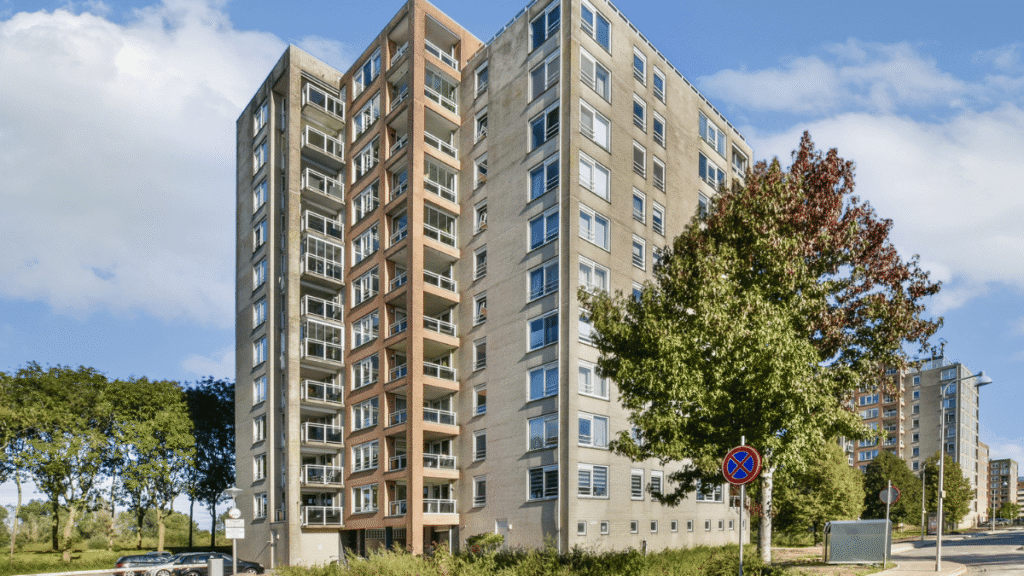
Established IT Corridors (Gachibowli, Kondapur, HITEC City)
Pricing: ₹1.5-2.5 crore | Demand: Very High | Rental Yields: 3.5-4.5%
IT professionals earning ₹15-30 lakh annually drive primary demand. 3 BHK configurations dominate 70-75% of inventory because target demographics (mid-senior software engineers, managers, consultants) can afford ₹1.5-2 crore properties and require space for families with 1-2 children.
Rental Market: 60-70% of 3 BHK units rented to corporate tenants on company-backed leases, ensuring stable income streams for investors. Average rents: ₹45,000-65,000 monthly.
Emerging Corridors (Kokapet, Tellapur, Narsingi)
Pricing: ₹90 lakh-1.4 crore | Demand: Rapidly Growing | Rental Yields: 4-5%
Value-conscious families and investors target these areas seeking 30-40% cost savings versus established corridors while accepting longer commutes (35-45 minutes vs. 15-25 minutes). 3 BHK dominates 65-70% of new launches.
Buyer Profile: Young families (ages 30-40) in career growth phases, upgrading from 2 BHK rentals or smaller owned properties. Dual-income households (₹15-25 lakh combined) financing ₹1-1.2 crore properties through home loans.
Investment Appeal: Early-stage appreciation potential (12-15% annually through 2028) as infrastructure develops (metro extensions, commercial zones, social amenities) attracts pure investors capturing value before mainstream awareness.
Budget Corridors (Uppal, Kompally, Patancheru)
Pricing: ₹70-95 lakh | Demand: High (Affordability-Driven) | Rental Yields: 4.5-5.5%
First-time homebuyers, budget-conscious families, and middle-income households (₹10-15 lakh annual income) dominate. 3 BHK configurations provide maximum space within affordability constraints, ₹70-85 lakh pricing enables home loans manageable on ₹10-12 lakh salaries.
Configuration Shift: In these corridors, 3 BHK represents 55-60% of supply (lower than premium areas) because 2 BHK still captures significant first-time buyer share. However, 3 BHK share is growing as incomes rise.
Rental Market: Strong demand from mid-level professionals, logistics managers, manufacturing supervisors earning ₹8-15 lakh annually. Rents: ₹25,000-35,000 monthly, delivering 4.5-5.5% yields.
Looking for a Home That Reflects Your Lifestyle?
Discover thoughtfully designed homes by Kura Homes — where timeless architecture, modern comfort, and sustainable living come together.
Developer and Project Trends
1. Configuration Mix Shifting Toward 3 BHK
Developers have responded to market demand by increasing 3 BHK share from 56% to 64% of new launches year-over-year. This represents conscious strategy aligning inventory with buyer preferences, reducing unsold stock risk by focusing on highest-demand configuration.
2 BHK Decline: Share dropped from 25% to 20% as developers recognize saturation in entry-level segment and limited appreciation potential. First-time buyers increasingly stretch budgets toward 3 BHK for long-term flexibility.
4 BHK Stability: Remains steady at 8-12% of launches, catering to high-income niche. Developers maintain limited luxury inventory but focus mass-market efforts on 3 BHK where volume sales occur.
2. Amenity Enhancement in 3 BHK Projects
To justify premium pricing and differentiate projects, developers incorporate comprehensive amenities specifically appealing to 3 BHK target demographics:
Family-Oriented Facilities:
- Children’s play areas (indoor and outdoor)
- Swimming pools and aquatic zones
- Educational coaching centers and libraries
- Multipurpose halls for events and gatherings
Professional Amenities:
- Co-working spaces and business centers
- High-speed fiber internet infrastructure
- Video conferencing pods
- Package receipt and storage areas
Wellness and Recreation:
- Fully equipped gyms and yoga studios
- Indoor sports (badminton, table tennis)
- Jogging tracks and cycling paths
- Meditation and relaxation zones
These amenities target the 3 BHK buyer demographic: families with children, dual-income professional couples, and middle-to-upper-middle-class households expecting modern lifestyles.
3. Financing Partnerships and Schemes
Developers partner with banks to offer pre-approved home loans, reduced processing fees, and attractive interest rates specifically for 3 BHK buyers, the segment generating maximum transaction volume.
Typical Schemes:
- 85-90% LTV on 3 BHK apartments (vs. 80-85% for 4 BHK)
- Zero processing fees during promotional periods
- Subvention schemes where developers pay interest during construction
- Step-up EMI plans aligning with expected salary growth
These financing enhancements make ₹1-1.3 crore 3 BHK properties accessible to ₹12-18 lakh annual income buyers who might otherwise delay purchases.
Comparative Analysis: Why Not 2 BHK or 4 BHK?
Why 3 BHK Outperforms 2 BHK
Space Constraints: 2 BHK apartments (900-1,200 sq ft) feel cramped for families with 2+ children or work-from-home requirements. The third bedroom’s flexibility, guest room, home office, storage, proves invaluable across life stages.
Resale Challenges: 2 BHK primarily attracts first-time buyers or singles/couples without children. Once families grow, 2 BHK becomes inadequate, forcing relocation, a disadvantage for long-term ownership.
Appreciation Ceiling: 2 BHK appreciation lags 3 BHK (55-65% vs. 70-85% in five years) because target demographics have limited purchasing power and upgraders exit for larger configurations.
Investment Limitation: Rental yields (3-3.5%) and tenant quality (often transient young professionals or students) make 2 BHK less attractive for pure investors compared to 3 BHK’s superior yields and stable tenants.
Why 3 BHK Outperforms 4 BHK
Affordability: 4 BHK apartments (₹1.8-3 crore in Hyderabad) require ₹25-40 lakh annual incomes, dramatically smaller buyer pool than 3 BHK’s ₹12-25 lakh target demographic. This creates longer sales cycles and higher inventory risk.
Unnecessary Space: For average urban families (3-4 members), 4 BHK’s 2,500-3,500 sq ft feels excessive. Extra bedrooms remain unused except during rare occasions, representing wasted investment and higher maintenance costs.
Liquidity Constraints: 4 BHK takes 120-180 days to sell versus 60-90 days for 3 BHK due to limited buyer pool. During job relocations or financial needs, this illiquidity creates significant challenges.
Rental Yield Parity: Despite higher absolute rents (₹60,000-90,000 monthly), 4 BHK yields (3.5-4%) don’t significantly exceed 3 BHK (4-5%) because purchase prices are proportionately higher. Investors gain minimal yield advantage for substantially higher capital deployment.
Looking for a Home That Reflects Your Lifestyle?
Discover thoughtfully designed homes by Kura Homes — where timeless architecture, modern comfort, and sustainable living come together.
Future Outlook: 3 BHK Dominance Through 2030
Sustained Demographic Tailwinds
India’s urbanization trajectory, 400 million city dwellers by 2030 (up from 350 million in 2024), will create sustained housing demand. The nuclear family structure’s entrenchment and middle-class expansion ensure 3 BHK remains optimal configuration for 60-70% of urban households through decade’s end.
Generational Shift: Millennials and Gen Z (currently ages 25-45) prioritize space, privacy, and flexibility over previous generations’ joint family arrangements. These demographics will drive housing demand through 2035, consistently favoring 3 BHK configurations.
Work-From-Home Permanence
Hybrid work models have become permanent fixtures in Indian corporate culture. Even companies mandating office returns maintain 2-3 days weekly work-from-home policies. This structural shift ensures home offices remain non-negotiable requirements, cementing 3 BHK’s advantage over 2 BHK.
Technology Integration: Smart home features, high-speed internet infrastructure, and dedicated work zones will become standard in new 3 BHK projects, further differentiating from older 2 BHK stock.
Infrastructure Development Amplifying Demand
Metro expansions (Phase 2 operational by 2027-2028, Phase 3 planned), Regional Ring Road (RRR operational by 2028-2030), and employment zone growth (Bharat Future City, aerospace hubs, pharma corridors) will make emerging areas with affordable 3 BHK supply accessible and desirable.
Price Arbitrage: As infrastructure narrows commute gaps between established and emerging corridors, 30-40% price differentials will drive demand toward emerging area 3 BHK properties, fueling sustained sales velocity.
Developer Focus and Supply Alignment
With 64% of new launches already concentrated in 3 BHK and climbing, developers will continue prioritizing this configuration through 2030. Economies of scale, faster sales, and lower unsold inventory risk make 3 BHK the financially optimal choice for builders, ensuring consistent quality supply matching demand.
Buyer Decision Framework: Is 3 BHK Right for You?
Choose 3 BHK If You:
Have or Plan Children:
- Current families with 1-2 children requiring separate bedrooms
- Couples planning children within 3-5 years seeking long-term housing solutions
- Families with children entering teenage years needing privacy and study spaces
Work From Home Regularly:
- Professionals conducting daily remote work requiring dedicated home offices
- Dual-income households where both partners need separate work zones
- Entrepreneurs, freelancers, or consultants running home-based businesses
Host Extended Family:
- Aging parents requiring accommodation for extended visits or permanent residence
- Cultural values prioritizing hospitality and guest accommodation
- Siblings or relatives visiting for festivals, weddings, or family events
Seek Investment Diversification:
- Investors targeting 4-5% rental yields with stable, high-income tenants
- Portfolio diversification into tangible assets with appreciation potential
- Long-term holds (7-10 years) capturing demographic and infrastructure tailwinds
Budget: ₹90 lakh-1.4 crore in emerging corridors | ₹1.5-2.5 crore in established areas
Choose 2 BHK If You:
Are Single or Childless Couples:
- Young professionals prioritizing location over space (closer to work, lower commute)
- DINK (Double Income, No Kids) households with no immediate family plans
- Minimalist lifestyles valuing smaller, easier-to-maintain spaces
Prioritize Affordability:
- First-time buyers with ₹8-12 lakh annual incomes
- Limited down payment availability (₹10-15 lakh vs. ₹20-30 lakh for 3 BHK)
- Preference for premium locations within budget over larger suburban spaces
Budget: ₹50-80 lakh in emerging corridors | ₹80 lakh-1.2 crore in established areas
Choose 4 BHK If You:
Have Large Families:
- 3+ children requiring individual bedrooms
- Multigenerational households (parents, children, grandparents) living permanently together
- Blended families or extended family arrangements
Value Ultra-Premium Living:
- High-income households (₹30-50 lakh+ annually) for whom space signifies status
- Luxury lifestyle preferences requiring staff quarters, multiple living zones, private entertainment areas
- NRIs or business owners seeking presidential-level accommodations
Budget: ₹1.8-3 crore in emerging corridors | ₹2.5-5 crore in established areas
Frequently Asked Questions (FAQs)
Why is 3 BHK demand growing fastest?
3 BHK homes hit the perfect balance, spacious enough for nuclear families (1–2 kids + home office) without the steep cost of 4 BHKs. With hybrid work becoming permanent and rising middle-class incomes, buyers can afford ₹1–1.3 crore homes via loans. Compared to 2 BHKs (too tight) and 4 BHKs (₹2–3 crore, niche buyers), 3 BHKs sit in the affordable, flexible “sweet spot.”
Average price difference: 2 BHK vs 3 BHK in Hyderabad
- Emerging corridors (Kokapet, Tellapur, Patancheru):
2 BHK ₹60–80L | 3 BHK ₹90L–1.3Cr → ₹30–50L premium - Established areas (Gachibowli, Kondapur):
2 BHK ₹90L–1.2Cr | 3 BHK ₹1.5–2.5Cr → ₹60L–1.3Cr premium
The premium buys extra space, better amenities, and stronger long-term returns.
Are 3 BHKs good for rental income?
Yes.
- Yields: 4–5% (higher than 2 BHKs)
- Rents: ₹35,000–60,000/month
- Tenants: Senior IT professionals, families → longer leases, lower vacancy
Combined with strong appreciation, total returns often reach 16–20% annually.
Salary needed to afford a 3 BHK
- ₹1 Cr home: ₹12–15L annual income
- ₹1.5 Cr home: ₹18–22L annual income
Banks allow EMIs up to ~45% of gross income. Dual incomes make this easier.
Monthly maintenance cost
₹4,500–9,000/month depending on location and amenities.
Total non-EMI monthly outflow (utilities + tax averaged): ₹10,000–20,000.
Is this growth temporary?
No. It’s a structural shift driven by:
- Nuclear families
- Permanent hybrid work
- Expanding middle class
3 BHKs are replacing 2 BHKs as the default urban home this decade.
Where should you buy?
- End-use: Established areas like Gachibowli, Kondapur (stability, convenience)
- Investment: Emerging corridors like Kokapet, Tellapur (higher appreciation)
Bottom line: 3 BHKs offer the best mix of affordability, livability, rental income, and resale liquidity in Hyderabad’s market.
Conclusion: 3 BHK Decade Has Begun
The rise of 3 BHKs from 56% to 64% of new launches isn’t a short-term spike, it reflects a structural shift in how urban families live, work, and invest. With space for home offices, children, and evolving family needs, 3 BHKs strike the ideal balance between affordability, flexibility, and long-term value, something 2 BHKs increasingly cannot offer and 4 BHKs price out.
For homebuyers, the higher upfront cost versus a 2 BHK is offset by future-proof living and stronger appreciation over typical 10–15 year ownership cycles. For investors, 3 BHKs deliver the most attractive risk-adjusted profile, 4–5% rental yields, faster appreciation, and superior resale liquidity, supported by durable demographic tailwinds through 2030.
As Hyderabad’s residential market continues to expand, 3 BHK apartments will define this decade, much like 2 BHKs did in the 2000s. Buyers entering now align with a long-term structural trend backed by developer focus, financing depth, and strong end-user demand.
Build Your Family’s Future with Kura Homes
With decades of Hyderabad real estate expertise, Kura Homes designs 3 BHK residences that adapt as families grow, combining thoughtful layouts, lasting quality, and long-term investment value.
Discover Spacious Family Homes →
Disclaimer: Market figures and projections are indicative and may vary by project, location, and market conditions. Buyers should conduct independent due diligence before purchase.