Table of Contents
Executive Summary for Real Estate Investors (2025)
Key Investment Comparison:
- Industrial warehouses generate 15-25% annual ROI vs. 6-12% for residential properties
- Warehouse rental yields: 8-9% annually with 5% annual escalation clauses
- Industrial leases: 5-10 years (commercial stability) vs. 1 year (residential turnover)
- India’s warehousing market projected to reach ₹2,872 billion by 2027 (15.6% CAGR)
- Industrial land appreciation: 40-60% over 5 years in strategic corridors
- Residential property appreciation: 20-30% over 5 years in metro cities
- Lower management complexity for industrial vs. residential tenant relationships
Understanding the Investment Landscape: Industrial vs Residential
Real estate investment traditionally centered on residential properties, apartments, villas, and plotted developments that cater to homeowners and renters. However, 2025 marks a paradigm shift as warehouses, industrial land, and logistics parks emerge as high-yield alternatives offering superior returns, longer lease tenures, and strategic economic positioning.
The fundamental question facing investors today is not whether real estate remains a sound investment, but rather which asset class, industrial or residential, delivers optimal returns aligned with risk tolerance, capital availability, and investment horizon.
Looking for a Home That Reflects Your Lifestyle?
Discover thoughtfully designed homes by Kura Homes — where timeless architecture, modern comfort, and sustainable living come together.
Industrial Real Estate Revolution in India
What is Industrial Real Estate?
Industrial real estate encompasses properties used for manufacturing, warehousing, logistics, distribution, and storage. This category includes Grade A warehouses with modern specifications, industrial land parcels for factories, cold storage facilities, and last-mile logistics hubs serving e-commerce operations.
Why Industrial Investment is Booming (2025 Market Drivers)
E-commerce Explosion: India’s e-commerce sector, growing at 25% annually, demands sophisticated warehousing infrastructure for inventory management, order processing, and rapid delivery. Companies like Amazon, Flipkart, and emerging quick-commerce platforms require Grade A warehouses with high ceilings, automated systems, and strategic highway connectivity.
Make in India & PLI Schemes: Government initiatives including Production Linked Incentives (PLI) for sectors like electronics, automotive, and pharmaceuticals are driving massive manufacturing investments. These require industrial land near transport corridors, creating unprecedented demand for well-located plots.
Third-Party Logistics (3PL) Growth: The 3PL industry, currently valued at $3.5 billion, is projected to reach $11.9 billion by 2025 (19% CAGR). 3PL providers need scalable warehousing solutions, making Grade A facilities highly sought after.
GST Impact: The Goods and Services Tax implementation forced businesses to consolidate scattered godowns into centralized, compliant warehouses along highway corridors, transforming warehousing from fragmented small-scale operations to institutionalized real estate.
Infrastructure Development: Bharatmala project (35 multimodal logistics parks), dedicated freight corridors, and improved highway networks have made industrial land along these routes exponentially more valuable.
Residential Real Estate: Traditional Stability

What is Residential Real Estate?
Residential property includes apartments, independent houses, villas, and gated communities designed for dwelling purposes. Investors typically purchase residential properties to generate rental income from tenants or for capital appreciation through resale.
Residential Market Dynamics (2025)
Steady Demand from Housing Needs: Unlike industrial properties dependent on economic cycles, residential real estate benefits from consistent demand driven by population growth, urbanization, and homeownership aspirations.
Emotional Value: Homebuyers attach emotional significance to residential properties, often willing to pay premiums for lifestyle amenities, school proximity, and community features, factors absent in industrial investment calculations.
Government Support: Schemes like Pradhan Mantri Awas Yojana (PMAY), affordable housing subsidies, and reduced stamp duties create policy-driven demand for residential segments, particularly in the affordable category.
Urban Migration: Tier-2 and Tier-3 cities experiencing rapid urbanization offer residential investment opportunities at lower entry prices with strong appreciation potential as infrastructure develops.
Comparative Investment Analysis: Industrial vs Residential
| Investment Factor | Industrial (Warehouses/Land) | Residential (Apartments/Villas) |
| Annual ROI | 15-25% | 6-12% |
| Rental Yield | 8-9% with 5% annual escalation | 2-4% with lower escalation potential |
| Lease Duration | 5-10 years (institutional tenants) | 1 year (frequent turnover) |
| Capital Appreciation (5 years) | 40-60% in logistics corridors | 20-30% in metro suburbs |
| Initial Investment | Higher (₹50 lakh – ₹5 crore+) | Moderate (₹30 lakh – ₹2 crore) |
| Tenant Quality | Corporations, 3PL firms, manufacturers | Individuals, families |
| Management Complexity | Lower (long leases, B2B relationships) | Higher (tenant disputes, maintenance) |
| Market Liquidity | Lower (specialized buyers) | Higher (broad buyer base) |
| Vacancy Risk | Moderate (but longer to fill) | Lower (faster tenant replacement) |
| Tax Benefits | Depreciation on buildings, business expenses | Home loan interest deduction (₹2 lakh) |
Industrial Investment: Deep Dive into Returns
Warehouse Investment ROI Breakdown
Investment Scenario: Grade A Warehouse Purchase
- Property Size: 50,000 sq ft
- Location: Highway corridor (Hyderabad-Bengaluru)
- Purchase Price: ₹2,000 per sq ft = ₹10 crore
- Rental Rate: ₹18 per sq ft/month
- Annual Rental Income: 50,000 × 18 × 12 = ₹1.08 crore
- Rental Yield: 10.8%
Additional Advantages:
- 5% annual rent escalation (locked in lease agreements)
- Long-term tenant: 7-year lease with renewal options
- Tenant handles interior fit-outs and operational maintenance
- Minimal vacancy periods between tenants due to limited Grade A supply
Capital Appreciation: Strategic warehouse locations near major industrial corridors appreciate 8-12% annually. After 5 years, the same property valued at ₹10 crore could reach ₹16-18 crore, delivering combined returns (rental income + appreciation) exceeding 20% annually.
Industrial Land Investment Strategy
Land Banking Approach: Purchase industrial-zoned land in upcoming logistics corridors at ₹5,000-10,000 per sq yd. Hold for 5-7 years as infrastructure develops (expressways, metro connectivity, industrial parks). Appreciation potential: 60-100%.
Built-to-Suit Development: Acquire land, develop customized warehouse per tenant specifications, lock 10-15 year lease with multinational corporation. Tenant pays fit-out costs, developer earns high rental yield with minimal operational involvement.
Looking for a Home That Reflects Your Lifestyle?
Discover thoughtfully designed homes by Kura Homes — where timeless architecture, modern comfort, and sustainable living come together.
Residential Investment: Understanding the Returns
Residential Rental Yield Reality Check
Investment Scenario: 3BHK Apartment Purchase
- Property Size: 1,500 sq ft
- Location: Hyderabad suburb (Gachibowli periphery)
- Purchase Price: ₹6,000 per sq ft = ₹90 lakh
- Monthly Rent: ₹25,000
- Annual Rental Income: ₹3 lakh
- Rental Yield: 3.33%
Challenges:
- Tenant turnover every 1-2 years with vacancy periods
- Landlord responsible for major repairs (plumbing, electrical, structural)
- Rental escalation typically 5-10% every 2 years (market-dependent)
- Property tax, society maintenance, and repairs reduce net yield
Capital Appreciation: Residential properties in well-connected suburbs appreciate 5-8% annually. The ₹90 lakh investment might reach ₹1.2-1.3 crore after 5 years, delivering combined returns (rental + appreciation) of 8-10% annually.
When Residential Makes Sense
Personal Use Optionality: Unlike industrial properties, residential investments offer dual utility, generate rental income initially, then occupy personally or provide to family members. Industrial assets lack this flexibility.
Emotional Premium: Residential properties in premium locations (gated communities, lake-view apartments) command premiums beyond pure ROI calculations due to lifestyle factors, making them attractive for HNIs seeking both returns and prestige.
Tax-Efficient Wealth Transfer: Residential property transfers to legal heirs face simpler taxation and valuation processes compared to commercial/industrial assets, making them preferred for estate planning.
Risk Analysis: Industrial vs Residential

Industrial Investment Risks
Economic Cycle Sensitivity: Industrial demand correlates with economic growth. During recessions, manufacturing slowdowns and reduced consumer spending impact warehouse requirements, potentially increasing vacancies.
Tenant Concentration: Single tenant occupying entire warehouse means 100% vacancy if lease terminates. Diversification requires multiple properties, higher capital requirement.
Specialized Property: Limited buyer pool for industrial assets compared to residential. Selling might take 6-12 months vs. 3-6 months for residential properties.
Regulatory Complexity: Industrial zones face environmental clearances, pollution norms, and zoning restrictions. Property must maintain compliance to retain tenants.
Residential Investment Risks
Lower Yield Compression: As property prices increase faster than rental rates, residential yields continue declining (from 4-5% a decade ago to 2-4% currently in metro cities).
Tenant Management: Dealing with individual tenants involves disputes over maintenance, rent defaults, and legal complexities if eviction becomes necessary.
Regulatory Interventions: Rent control laws, tenant protection regulations, and stamp duty changes can impact residential investment returns unpredictably.
Market Saturation: Oversupply in certain segments (affordable housing, peripheral suburbs) leads to price stagnation and extended selling periods.
Looking for a Home That Reflects Your Lifestyle?
Discover thoughtfully designed homes by Kura Homes — where timeless architecture, modern comfort, and sustainable living come together.
Strategic Location Factors
Best Locations for Industrial Investment (India 2025)
Hyderabad:
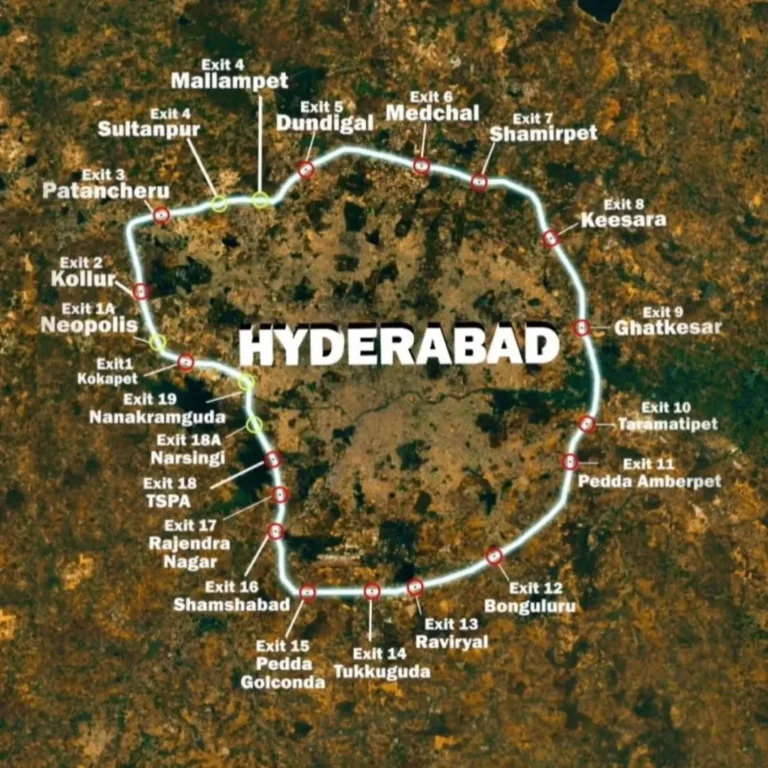
- ORR corridor connecting airport to IT hubs
- Emerging logistics parks in Shamshabad, Tukkuguda
- Government support for pharma, manufacturing clusters
Pune:
- Chakan and Talegaon industrial belts
- Proximity to Mumbai port (200 km)
- Auto, IT hardware manufacturing base
Chennai:
- Automotive capital with established supply chains
- Chennai-Bengaluru Industrial Corridor
- Port connectivity for exports
NCR Region:
- Kundli-Manesar-Palwal (KMP) Expressway corridor
- Proximity to national capital and major consumption market
- Upcoming Noida International Airport (Jewar)
Best Locations for Residential Investment (India 2025)
Hyderabad:
- Gachibowli-Financial District for IT professionals
- Kokapet for luxury segment appreciation
- Kompally and Nizampet for affordable-mid segment
Bengaluru:
- Whitefield and Electronic City peripheries
- North Bangalore (Devanahalli) near airport
- Sarjapur Road for premium apartments
Pune:
- Hinjewadi for IT sector rentals
- Wagholi and Kharadi for capital appreciation
- Baner-Balewadi for established residential demand
Tax Implications: Industrial vs Residential
Industrial Property Taxation
Depreciation Benefits: Buildings classified as industrial assets qualify for depreciation deductions (typically 10% annually), reducing taxable income significantly, unavailable for residential rental properties.
Business Expense Deductions: Property tax, insurance, legal fees, and property management costs are fully deductible as business expenses for industrial investments.
Capital Gains: Long-term capital gains (properties held 24+ months) taxed at 12.5% without indexation for sales after July 23, 2024. Section 54EC allows ₹50 lakh investment in specified bonds to save capital gains tax.
Residential Property Taxation
Limited Deductions: Only 30% standard deduction on rental income + property tax paid. No depreciation benefits.
Home Loan Benefits: If property purchased via home loan, interest deduction up to ₹2 lakh (self-occupied) or full amount (rented property) under Section 24(b).
Capital Gains Exemptions: Section 54 allows reinvestment of capital gains up to ₹10 crore in another residential property to avoid taxation, powerful tool for residential wealth building.
Looking for a Home That Reflects Your Lifestyle?
Discover thoughtfully designed homes by Kura Homes — where timeless architecture, modern comfort, and sustainable living come together.
Financing Options: Industrial vs Residential
Industrial Property Loans
Higher Down Payment: Lenders require 30-40% down payment for industrial/commercial properties vs. 10-20% for residential.
Interest Rates: Industrial loans carry higher rates (9-11% vs. 8-9% for residential) due to perceived commercial risk.
Shorter Tenure: Typical loan tenure: 10-15 years vs. 20-30 years for residential, resulting in higher EMIs.
Eligibility: Requires demonstrated business income or corporate backing. Individual salaried professionals face challenges securing industrial property loans.
Residential Property Loans
Government Support: PMAY subsidies, credit-linked subsidies, and preferential rates for first-time buyers make residential loans accessible.
Longer Tenure: 30-year loan tenures reduce monthly EMI burden, making residential investment feasible for salaried professionals.
Tax Benefits: Section 80C (principal repayment up to ₹1.5 lakh) + Section 24(b) (interest up to ₹2 lakh) provide annual tax savings of ₹45,000-60,000.
Investor Profile: Who Should Choose What?
Industrial Investment Suits:
High Net-Worth Individuals (HNIs): Capital availability (₹1 crore+), appetite for higher but stable returns, ability to wait for specialized buyers during exit.
Corporate Entities: Businesses seeking asset diversification, depreciation benefits for tax optimization, long-term wealth creation outside operating business.
NRIs with Business Connections: Access to networks for tenant sourcing, comfort with B2B relationships, preference for passive income with minimal management.
Long-Term Investors (10+ years): Patient capital seekers willing to ride economic cycles for superior compounded returns from rental yield + appreciation.
Residential Investment Suits:
First-Time Investors: Lower entry barriers (₹30-50 lakh), easier financing through home loans, simpler tenant management and property understanding.
Salaried Professionals: Tax benefits via home loan deductions, option for personal use later, comfort with residential property familiarity.
Conservative Investors: Preference for emotional comfort of “owning a home” even as investment, lower perceived risk compared to industrial assets.
Medium-Term Investors (5-7 years): Plans to liquidate for child’s education, marriage, or retirement, residential properties offer faster liquidity.
Common Questions: Industrial vs Residential Investment
Q1: Can I get a home loan to purchase an industrial warehouse?
No. Home loans are specifically for residential properties. Industrial property purchases require commercial property loans or business loans with different eligibility criteria, higher interest rates (9-11%), and larger down payments (30-40%).
Q2: Which investment has better liquidity, industrial or residential?
Residential properties offer superior liquidity due to broader buyer base (end-users + investors). Industrial properties have specialized buyers, potentially taking 6-12 months to sell vs. 3-6 months for residential in active markets.
Q3: Are industrial property returns guaranteed?
No investment guarantees returns. However, industrial properties with Grade A specifications in strategic locations historically deliver stable 8-9% rental yields with low vacancy due to limited supply. Economic downturns can impact tenant demand.
Q4: Do I need GST registration for industrial property investment?
Yes, if you lease industrial/commercial property, you must register for GST and charge 18% GST on rental income (which tenant pays). Residential rental income is exempt from GST.
Q5: Which appreciates faster, industrial land or residential apartments?
Industrial land in emerging logistics corridors (near upcoming expressways, industrial parks) appreciates 50-100% over 5-7 years. Residential apartments in established areas appreciate 20-30% over the same period. However, industrial land requires patience as development progresses.
Q6: Can I convert industrial property to residential later?
No. Land use conversion from industrial to residential requires government approvals, zoning changes, and involves complex regulatory processes with no guarantee of approval. Always invest based on current zoning.
Q7: What is the minimum investment required for industrial vs residential?
Industrial: ₹50 lakh – ₹5 crore+ depending on location and size. Residential: ₹30 lakh – ₹2 crore for metro city apartments. Industrial investment typically requires 2-3x higher capital commitment.
Q8: How do I find tenants for warehouses?
Partner with industrial real estate brokers specializing in logistics, approach 3PL companies directly, list on commercial property portals, or work with established developers who manage tenant placement as part of investment packages.
Hybrid Strategy: Diversification Across Asset Classes
Rather than choosing exclusively industrial or residential, sophisticated investors deploy capital across both segments:
Portfolio Allocation Example (₹2 Crore Investment Capital):
- ₹1.2 crore: Industrial land/warehouse (60%) for high yield and appreciation
- ₹80 lakh: Residential property (40%) for liquidity and tax benefits
This strategy balances higher returns from industrial assets with liquidity and emotional comfort from residential holdings, while diversifying risk across different economic drivers.
Kura Homes: Residential Excellence with Strategic Vision
While the industrial vs. residential debate centers on pure ROI calculations, Kura Homes represents a residential investment approach that bridges traditional housing with strategic commercial thinking.
Why Kura Homes Residential Projects Compete with Industrial Returns
- Strategic Location Selection: Just as industrial investors prioritize connectivity corridors, Kura Homes develops properties near ORR exits, metro lines, and IT hubs, locations that guarantee strong rental demand and capital appreciation.
- Institutional Quality Construction: Nearly five decades of construction expertise means Kura Homes properties maintain value like Grade A industrial assets. Superior build quality reduces maintenance costs, a key factor eroding residential rental yields.
- Generational Perspective: The three-generation Kura family legacy mirrors the long-term investment horizon successful in industrial real estate. Properties are designed for enduring value, not quick exits.
- RERA Compliance & Transparency: Like institutional industrial transactions, Kura Homes’ complete legal compliance, clear titles, and transparent dealings reduce investment risk, critical for residential assets often plagued by disputes.
- Timely Delivery: Industrial investments depend on predictable cash flows. Kura Homes’ proven timely delivery record ensures investors can begin earning rental income or plan resale without construction delays common in residential projects.
Kura Homes Current Projects: Residential Investment Opportunities
- Constella – Premium residences designed around community living with excellent connectivity to IT hubs. Ideal for investors targeting working professional tenants seeking quality housing near employment centers.
- NTANYA – Luxury villas at ORR Exit 14, Tukkuguda. Strategic location offers industrial-like appreciation potential (ORR corridor development) with residential asset flexibility and lifestyle appeal.
- Speed Signature Towers – Modern apartments in Nizampet with metro and highway connectivity. Strong rental demand from the IT sector ensures consistent occupancy with quality tenants.
- Sanarelli Apartments – Thoughtfully designed homes in Bowrampet combining accessibility with peaceful living. Mid-segment pricing attracts stable, long-term tenants.
- Speed Splendor City – Premium plotted development in Sultanpur. Land banking opportunity similar to industrial land investment, with residential development flexibility.
- Speed Green City – Open plots in Sangareddy’s growth corridor. Positioned in emerging suburban zone with strong future appreciation as urbanization expands.
Final Verdict: Industrial vs Residential Investment (2025)
Choose Industrial (Warehouses/Land) If:
- You have ₹1 crore+ investable capital
- You seek maximum ROI (15-25% annually)
- You prefer passive income with minimal management
- You have 10+ year investment horizon
- You can access commercial property financing
- You’re comfortable with specialized asset class
Choose Residential (Apartments/Villas) If:
- You’re a first-time investor with ₹30-80 lakh capital
- You want tax benefits via home loan deductions
- You prefer liquidity and broader buyer market
- You seek personal use optionality
- You want emotionally relatable investment
- You’re salaried professional without business background
The Hybrid Approach (Recommended for HNIs):
For investors with ₹2 crore+ capital, allocate 50-60% to industrial assets for yield and 40-50% to residential for liquidity, creating a balanced portfolio resilient across economic cycles.
Investment Decision Checklist
Before committing capital to either asset class, verify:
For Industrial Investment:
- Location along major highway/expressway corridor
- Zoning clearance for industrial/warehousing use
- Proximity to ports, airports, or major consumption markets
- Grade A specifications (if warehouse): 30+ ft clear height, dock-level access
- Verified tenant credit rating (if pre-leased)
- Environmental clearances and pollution compliance
- Access to commercial property financing
- Exit strategy considering specialized buyer pool
For Residential Investment:
- Connectivity to employment hubs (IT parks, business districts)
- RERA registration and approved building plans
- Builder reputation and past delivery track record
- Rental demand analysis for target tenant segment
- Society maintenance costs and quality
- Property tax rates and payment history
- Home loan eligibility and interest rates
- Future infrastructure projects enhancing value
Market Outlook: 2025-2030
- Industrial Real Estate: India’s warehousing market growing from ₹2,245 billion (2025) to ₹4,000+ billion (2030) driven by e-commerce, Make in India, and logistics modernization. Grade A warehouses to maintain 8-10% rental yields with strong demand outpacing supply.
- Residential Real Estate: Metro city residential yields likely to compress further (2-3%) as prices outpace rental growth. However, Tier-2 cities and suburban corridors with infrastructure development will offer 4-5% yields + capital appreciation.
- Investment Recommendation: Industrial assets offer superior returns but require higher capital and longer investment horizon. Residential provides accessibility, liquidity, and tax benefits suitable for retail investors. Diversification across both segments creates optimal risk-adjusted portfolio.
Explore Legacy-Driven Residential Investments with Kura Homes
Kura Homes delivers residential properties that compete with industrial assets in strategic location selection, construction quality, and long-term value creation.
Why Invest with Kura Homes:
- 49 years of construction excellence (three generations)
- Strategic locations in connectivity corridors (metro, ORR, IT hubs)
- Complete RERA compliance and legal transparency
- Timely delivery ensuring predictable rental income start
- Quality construction reducing long-term maintenance costs
- Properties designed for both rental yield and capital appreciation
Current Investment Opportunities:
- Constella – IT hub connectivity for professional tenants
- NTANYA – ORR corridor appreciation potential
- Speed Signature Towers – Metro-connected rental demand
- Sanarelli Apartments – Mid-segment stability
- Speed Splendor City – Land banking strategy
- Speed Green City – Suburban growth play
Ready to Make Strategic Real Estate Investment Decisions?
Discover residential investments where strategic thinking meets construction excellence, where your capital grows with Hyderabad’s economic expansion.
Built by a family that understands real estate investment since 1976. Trusted by thousands. Designed for generations.
Disclaimer: This article provides general investment information. Real estate returns vary based on location, timing, and market conditions. Consult financial advisors and legal experts before making investment decisions. Past performance does not guarantee future results.