Table of Contents
Quick Summary for Real Estate Investors and Homebuyers
Rental demand is fundamentally transforming Hyderabad’s suburban real estate landscape:
- Rental growth increased 11.5% quarter-on-quarter in Hyderabad (H1 2025)
- Suburban areas like Kondapur, Kompally, and Tellapur seeing strongest rental demand
- Rental yields in Hyderabad reached 4-5%, higher than national average
- Remote work flexibility driving migration from city centers to suburbs
- Infrastructure projects (Metro Phase 2, ORR expansion) boosting suburban connectivity
- Property prices in suburbs expected to appreciate 10-20% by 2026
- Affordability crisis in core areas pushing renters toward suburban housing
- IT corridor expansion creating consistent rental demand in peripheral locations
Understanding the Rental Demand Shift
Hyderabad’s real estate market is experiencing a fundamental transformation as rental demand reshapes development patterns, investment strategies, and urban planning priorities. The shift from traditional city-center living to suburban rental accommodations represents one of the most significant trends defining the city’s property landscape in 2025-2026.
This migration isn’t merely about affordability—though that remains a critical factor. It reflects changing lifestyle preferences, evolving work patterns, improved suburban infrastructure, and a redefinition of what constitutes desirable urban living. For investors, developers, and homebuyers, understanding these rental-driven suburban trends is essential for making informed decisions in Hyderabad’s dynamic real estate market.
Looking for a Home That Reflects Your Lifestyle?
Discover thoughtfully designed homes by Kura Homes — where timeless architecture, modern comfort, and sustainable living come together.
What is Driving Rental Demand in Hyderabad?
Rental Market Growth Statistics:
The rental sector in Hyderabad demonstrated remarkable growth in 2025, with rental values increasing 11.5% quarter-on-quarter according to market analysis. This growth significantly outpaced many metropolitan areas, reflecting strong underlying demand dynamics and market fundamentals supporting continued expansion.
Why Renters Are Choosing Suburbs:
Modern renters prioritize different factors than previous generations. Spacious apartments, access to green spaces, lower density living, modern amenities, and improved connectivity now outweigh the traditional advantage of city-center proximity. Suburban locations increasingly offer these benefits while maintaining reasonable commute times to employment hubs.
Affordability as a Primary Driver:
Property purchase prices in core Hyderabad areas have appreciated faster than income growth, effectively pricing many potential buyers out of homeownership. As affordability in established areas declines, more professionals opt for renting as a practical interim solution while building financial capacity for eventual purchase—often in suburban locations where entry costs remain reasonable.
Hyderabad’s Suburban Rental Growth: Key Areas
High-Growth Rental Submarkets
| Suburban Area | Primary Tenant Profile | Rental Growth (YoY) | Average Rent (3BHK) | Key Attractions |
| Kondapur | IT professionals | 12-15% | ₹25,000-40,000 | Tech parks proximity, metro connectivity |
| Kompally | Young families | 10-13% | ₹18,000-28,000 | Affordable housing, schools, upcoming metro |
| Tellapur | Mid-senior professionals | 13-16% | ₹30,000-45,000 | Premium gated communities, IKEA proximity |
| Bachupally | Mixed demographic | 11-14% | ₹20,000-32,000 | Balanced pricing, improving infrastructure |
| Miyapur | Working professionals | 9-12% | ₹18,000-30,000 | Metro Red Line, established amenities |
| Narsingi | IT employees | 12-15% | ₹22,000-35,000 | Financial District access, new developments |
Infrastructure-Driven Rental Hotspots
Metro Phase 2 Impact:
The ongoing metro expansion significantly influences rental demand patterns. Areas along planned corridors—including Kompally, Bachupally, and peripheral sections—are experiencing anticipatory rental growth as tenants position themselves ahead of enhanced connectivity. Properties within walking distance of proposed metro stations command premium rents and attract quality long-term tenants.
Outer Ring Road (ORR) Advantage:
The ORR continues transforming peripheral areas into viable residential alternatives. Locations along this corridor benefit from reduced commute times to multiple employment zones, making them attractive for professionals working in diverse areas. This connectivity advantage translates directly into sustained rental demand and rising yields.
Regional Ring Road (RRR) Prospects:
The planned Regional Ring Road promises to revolutionize outer suburban real estate. Areas like Patancheru, Shankarpally, and Shadnagar, currently experiencing moderate rental activity, are positioned for substantial growth as RRR construction progresses. Forward-looking investors are already identifying opportunities in these emerging rental markets.
Rental Yield Analysis: Suburbs vs Core Areas
Comparative Rental Returns
| Location Type | Average Rental Yield | Capital Appreciation (3 Yrs) | Vacancy Period | Tenant Stability |
| Core Areas (Jubilee Hills, Banjara Hills) | 2.5-3.5% | 8-10% annually | 30-60 days | Moderate |
| IT Corridors (Gachibowli, HITEC City) | 3.5-4.5% | 10-12% annually | 15-30 days | High |
| Emerging Suburbs (Kompally, Bachupally) | 4-5.5% | 12-15% annually | 30-45 days | Moderate-High |
| Outer Suburbs (Patancheru, Narsingi) | 4.5-6% | 13-18% annually | 45-75 days | Moderate |
Why Suburban Yields Outperform:
Suburban properties generate superior rental yields due to lower acquisition costs relative to rental income potential. A ₹80 lakh apartment in Kompally generating ₹25,000 monthly rent produces approximately 3.75% annual yield, compared to a ₹2 crore apartment in Jubilee Hills generating ₹50,000 monthly rent yielding only 3% annually.
Capital Appreciation Advantage:
Beyond rental income, suburban properties typically appreciate faster than established core areas. This dual benefit—higher rental yields combined with superior capital appreciation—makes suburban investment particularly attractive for long-term wealth building. Areas benefiting from infrastructure improvements demonstrate the strongest growth trajectories.
Looking for a Home That Reflects Your Lifestyle?
Discover thoughtfully designed homes by Kura Homes — where timeless architecture, modern comfort, and sustainable living come together.
How Remote Work Reshaped Rental Preferences
The Work-From-Anywhere Revolution
Remote and hybrid work models fundamentally altered rental decision criteria. With reduced need for daily office commutes, professionals now prioritize living environments over location proximity. This shift directly benefits suburban areas offering spacious homes, dedicated workspace areas, quieter environments, and better quality of life at competitive rental rates.
Space Requirements Evolution:
Traditional 2BHK city apartments proved inadequate for work-from-home requirements. Renters increasingly seek 3BHK configurations providing separate home offices, larger living areas, and outdoor spaces. Suburban properties naturally accommodate these needs better than constrained city apartments, driving rental demand toward peripheral developments.
Quality of Life Factors:
Remote work flexibility allows renters to prioritize lifestyle over commute convenience. Suburban locations offering parks, recreational facilities, lower pollution levels, reduced traffic stress, and community amenities attract professionals willing to sacrifice central location for improved daily living quality. This preference shift is reshaping development patterns across Hyderabad’s suburbs.
Rental Property Features in Demand
Top Tenant Priorities (2025-2026):
- Dedicated workspace/study room (85% of renters)
- High-speed internet infrastructure (92%)
- Parking for multiple vehicles (75%)
- Gated community security (88%)
- Power backup systems (90%)
- Modern kitchen appliances (68%)
- Proximity to schools/hospitals (70% for families)
- Access to fitness amenities (65%)
Investment Strategies for Suburban Rental Properties
Optimal Property Selection Criteria
For Maximum Rental Yield:
Focus on 2-3 BHK apartments in well-connected suburbs with established or upcoming infrastructure. Properties within 1-2 km of metro stations, IT parks, or major educational institutions command premium rents with minimal vacancy periods. Target locations where rental demand consistently exceeds supply.
For Long-Term Appreciation:
Invest in emerging corridors ahead of major infrastructure completion. Areas along planned metro routes, near upcoming commercial developments, or within RRR influence zones offer maximum appreciation potential. Accept potentially higher initial vacancy risks for substantially better long-term returns.
Balanced Portfolio Approach:
Sophisticated investors combine established rental markets (immediate cash flow) with emerging areas (appreciation potential). A portfolio with 60% in proven locations like Kondapur and 40% in developing areas like Patancheru balances current income with future growth.
Financial Planning for Rental Investments
Investment Cost Breakdown (₹80 Lakh Suburban Apartment):
| Cost Component | Amount | Percentage |
| Property Cost | ₹80,00,000 | 100% |
| Stamp Duty & Registration | ₹3,60,000 | 4.5% |
| Interior/Furnishing (Semi) | ₹5,00,000 | 6.25% |
| Loan Processing (if applicable) | ₹40,000 | 0.5% |
| Legal Verification | ₹15,000 | 0.19% |
| Miscellaneous | ₹50,000 | 0.63% |
| Total Investment | ₹89,65,000 | 112% |
Monthly Income-Expense Analysis:
- Rental Income: ₹25,000
- Maintenance Charges: ₹3,000
- Property Tax: ₹500
- Insurance: ₹400
- Repairs/Upkeep Reserve: ₹1,000
- Net Monthly Income: ₹20,100
- Annual Net Return: ₹2,41,200 (2.69% of total investment)
- Capital Appreciation (12% annually): ₹9,60,000
- Total Annual Return: ₹12,01,200 (13.4% of investment)
Developer Response to Rental Demand
Project Design Adaptations
Rental-Optimized Developments:
Forward-thinking developers design suburban projects specifically attracting rental demographics. Features include flexible floor plans adaptable to various tenant needs, efficient layouts maximizing usable space, durable finishes reducing maintenance, comprehensive amenities eliminating external dependency, and strong property management systems ensuring tenant satisfaction.
Managed Apartment Complexes:
Professional property management services are becoming standard in suburban rental projects. Developers partner with management companies offering tenant screening, maintenance coordination, rent collection, and tenant relations—removing traditional landlord burdens while ensuring quality tenant experiences and property upkeep.
Suburban Development Trends
Integrated Townships:
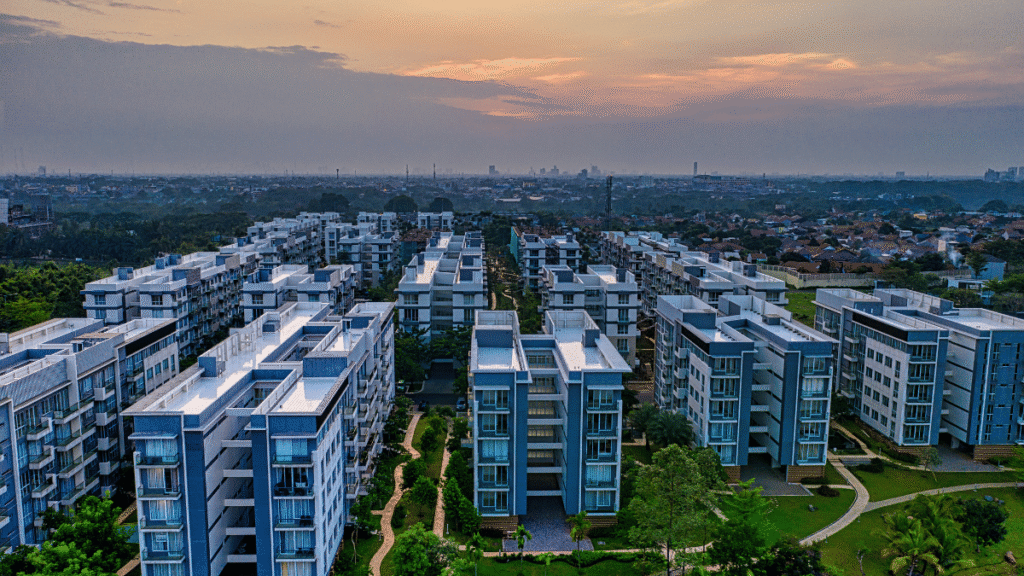
Large-scale integrated developments combining residential, commercial, and recreational spaces are gaining prominence in suburbs. These self-sufficient townships attract renters seeking comprehensive facilities within single communities, reducing dependency on city centers while offering urban amenities in suburban settings.
Affordable Luxury Positioning:
Developers target the “affordable luxury” segment in suburbs—offering premium amenities at mid-range pricing. This positioning attracts middle to upper-middle class renters priced out of core area luxury but unwilling to compromise on quality living standards.
Looking for a Home That Reflects Your Lifestyle?
Discover thoughtfully designed homes by Kura Homes — where timeless architecture, modern comfort, and sustainable living come together.
Government Initiatives Supporting Suburban Growth
Policy Frameworks Encouraging Development
TS-bPASS System:
The Telangana State Building Permission Approval and Self-Certification System streamlines construction approvals, reducing bureaucratic delays and encouraging suburban development. This single-window clearance system has accelerated project timelines, making suburban development more attractive for builders while ensuring regulatory compliance.
RERA Implementation:
Strong RERA enforcement in Telangana provides buyers and investors with protection, transparency, and accountability. This regulatory framework particularly benefits suburban markets where developer reputation might be less established, building investor confidence in peripheral area projects.
Infrastructure Investment:
Substantial government investment in suburban connectivity—including metro extensions, road widening projects, and public transportation improvements—directly supports rental market growth by enhancing livability and commute convenience in peripheral areas.
Challenges in Suburban Rental Markets
Current Market Limitations
Infrastructure Gaps:
Despite improvements, some suburban areas still face connectivity challenges, inadequate public transportation, limited healthcare facilities, underdeveloped commercial infrastructure, and inconsistent utility services. These gaps can limit rental demand and tenant quality until addressed.
Market Maturity Issues:
Emerging suburban markets experience higher vacancy rates during initial development phases, limited tenant diversity, potential oversupply in specific micro-markets, and price volatility during infrastructure transitions. Investors must carefully assess maturity levels before committing capital.
Risk Mitigation Strategies
Location Due Diligence:
Thorough research on infrastructure timelines, developer reputation, area development plans, existing amenities, and rental demand patterns minimizes investment risks. Focus on locations with confirmed infrastructure projects rather than speculative announcements.
Property Management:
Professional management services reduce risks associated with tenant relations, maintenance issues, vacancy periods, and rent collection challenges. This investment in management preserves property value and ensures consistent returns.
Future Outlook: Suburban Rental Trends 2026-2030
Projected Market Evolution
Rental Growth Forecasts:
Experts project suburban rental growth will outpace core areas through 2030, with annual rental appreciation of 8-12% in infrastructure-benefiting suburbs compared to 5-7% in established zones. This divergence creates compelling investment opportunities for forward-looking capital.
Emerging Rental Submarkets:
Areas currently on the periphery—including Shankarpally, Shadnagar, Adibatla, and outer Patancheru—will transition from speculative to established rental markets as infrastructure completion and employment decentralization continue. Early positioning in these markets offers maximum appreciation potential.
Demographic Shifts Influencing Demand
Millennial and Gen-Z Renters:
Younger generations demonstrate different housing preferences than predecessors—prioritizing flexibility, community amenities, sustainability features, and work-life balance over traditional status markers. Suburban properties addressing these preferences will capture growing market segments.
NRI Investment Influence:
Non-Resident Indians increasingly invest in Hyderabad rental properties, particularly in well-managed suburban complexes offering professional management and transparent operations. This capital influx supports market growth and elevates quality standards.
Frequently Asked Questions
Best Hyderabad Suburbs for Rental Yields (2026)
Kompally, Bachupally, Tellapur, and Narsingi offer the highest rental yields at 4–5.5% annually, driven by lower entry prices and strong tenant demand from IT professionals and young families. Properties near metro lines or IT corridors perform best.
Impact of Remote Work
Remote and hybrid work boosted suburban rental demand by 25–30% since 2020. Tenants now prefer spacious 2–3 BHK homes, quieter neighborhoods, and better lifestyle amenities over central locations.
Expected Rental Growth
Infrastructure-linked suburbs like Kondapur, Miyapur, and Kompally are seeing 10–15% annual rental growth, outperforming the national average. Combined with capital appreciation, total returns can reach 16–25% annually.
For First-Time Rental Investors
Suburbs are ideal entry points due to:
- Lower prices (₹60–90L vs ₹1.5Cr+ core areas)
- Higher yields (4–5% vs 2.5–3.5%)
- Proven demand
Start with Miyapur or Bachupally, preferably in gated communities.
How to Choose the Right Suburb
Focus on:
- Confirmed metro / road infrastructure
- Proximity to IT parks
- Schools, hospitals, daily amenities
- Proven rental demand
Avoid speculative locations without clear timelines.
Vacancy Periods (Average)
- Established suburbs: 15–30 days
- Growing suburbs: 30–45 days
- Outer areas: 45–75 days
Homes near metro stations and IT hubs rent fastest.
Emerging vs Established Suburbs
- Established (Kondapur, Miyapur): Stable income, low risk
- Emerging (Kompally, Narsingi): Higher appreciation, some initial risk
Best strategy: mix both.
Key Risks
Infrastructure delays, oversupply in pockets, longer vacancies, and early-stage amenity gaps. Reduce risk with RERA-verified projects, realistic vacancy planning, and portfolio diversification.
Making Informed Suburban Investment Decisions
Hyderabad’s rental-led suburban shift is creating strong opportunities for investors, developers, and homebuyers willing to look beyond the city core. Infrastructure expansion, remote work, affordability pressures, and lifestyle changes are accelerating demand in well-connected suburbs.
Success depends on smart location selection, realistic financial planning, and patience as infrastructure matures. Those who enter high-growth corridors early can secure strong rental yields today and significant long-term appreciation.
This isn’t a short-term trend—it’s a structural change in how urban India lives and invests. Hyderabad’s suburbs uniquely combine steady rental income with capital growth, making them attractive across investor profiles.
Building Generational Value Through Strategic Investment
Kura Homes brings 49 years of real estate expertise and three generations of market knowledge to help investors and homebuyers navigate Hyderabad’s evolving suburban landscape. Our deep understanding of rental market dynamics, infrastructure impact, and long-term value creation guides clients toward properties that generate consistent returns while appreciating substantially.
Why Choose Kura Homes for Suburban Investment:
- Legacy-Driven Insights: Five decades of experience identifying high-growth corridors before mainstream recognition
- Strategic Location Selection: Projects positioned in infrastructure-connected suburban areas with proven rental demand
- Quality Construction: Durable finishes and modern amenities attracting quality tenants and minimizing maintenance
- Transparent Practices: Complete disclosure of costs, timelines, and market dynamics for informed decision-making
- Long-Term Partnership: Ongoing support beyond purchase, including property management guidance and market updates
Our diverse portfolio spans strategic suburban locations including emerging rental hotspots along metro corridors, established IT-adjacent communities, and infrastructure-connected developments. From Constella’s modern apartments to NTANYA’s premium villas in Tukkuguda, every Kura Homes project reflects our commitment to locations that serve tenant needs while delivering investor returns.
Whether you’re a first-time rental investor seeking cash flow, an experienced investor building portfolio diversity, or a homebuyer planning eventual rental income, our team provides personalized guidance aligned with your specific goals and risk tolerance.
Explore Suburban Investment Opportunities with Kura Homes →
Connect with our investment advisory team to discuss how Hyderabad’s rental-driven suburban growth can build lasting wealth for your family. Let nearly five decades of real estate wisdom guide your journey toward strategic property investment that understands both current rental markets and generational value creation.
Disclaimer: Market trends and rental estimates are indicative. Actual returns may vary. This content is for informational purposes only and not investment advice.